How to Get More Plays on Your Music on Facebook

If you’re a musician, you know how important it is to get your music out there. One way to do that is by posting it on Facebook. But what if you’re not getting as many plays as you’d like? Here are some tips to get more people listening to your music on Facebook.

Why You Should Post Your Music on Facebook

If you’re a musician, then you know how important it is to get your music out there And what better way to do that than by posting it on Facebook? When you post your music on Facebook, you’re opening up a whole new world of potential fans But how can you make sure that your music gets heard by as many people as possible? Here are some tips Use keywords in your post When people are searching for music on Facebook, they’ll be using keywords So make sure to include relevant keywords in your post so that more people will be able to find it Post at the right time Timing is everything when it comes to social media marketing Make sure you’re posting when most of your potential fans are online and active on Facebook Use attractive visuals People are more likely to stop and listen to your music if they see an attractive image or video accompanying it So make sure to add an engaging visual element to your post Keep it short and sweet Don’t try to cram too much information into your post Just give people a taste of what they can expect if they listen to your music Ask for shares The more people who share your post , the more exposure it will get So don’t be afraid to ask people directly

Tips to Help You Get More Plays on Your Music on Facebook

, how to get more listeners on facebook Almost every musician wants to know how to get more plays on their music on Facebook It’s no secret that Facebook is one of the most popular social networking platforms with over billion monthly active users This means that there is a huge potential audience for your music if you can tap into it So, how can you promote your music on Facebook and get more listens? Here are some tips Create a professional-looking profile and cover photo First impressions matter, so make sure that your profile looks sleek and inviting Potential listeners should be able to quickly see what kind of music you make and why they should bother checking you out Post interesting, engaging content regularly Just like with any other social media platform, if you want people to keep coming back, you need to give them something worth coming back for! Share photos and videos from rehearsals or performances, share interesting stories about your songwriting process, or post helpful tips for other musicians Whatever you do, keep it fresh and interesting Use relevant hashtags in your posts Hashtags are a great way to help people find your content who might not otherwise stumble across it organically Do some research to find which hashtags are being used most frequently by similar artists, then start using them in your own posts – but don’t go overboard! A few strategically placed hashtags will do the trick nicely

How to Use Facebook to Promote Your Music

for free, how to promote your music on facebook for free As an unsigned artist, one of the best ways to get your music out there is to post it on Facebook Here are a few tips on how to use Facebook to promote your music and get more plays Use Facebook groups to find new fans There are tons of groups dedicated to helpful tips for unsigned artists Join a few of these groups and start promoting your music Make sure you read the rules of each group before posting, so you don’t get kicked out! Create a professional looking page for your music This will make it easier for people to find and follow you when they search for new music on Facebook Be sure to regularly post updates about your music, upcoming shows, and anything else that might be relevant to your fans Take advantage of paid advertising on Facebook This can be a great way to reach potential fans who may not be familiar with your work yet Just be sure to target your ads correctly so that you don’t waste money on ads that no one will see! Use social media influencers to help promote your music If you know anyone with a large following on Facebook or Twitter, ask them if they would be willing to share your work with their followers This can help you reach a whole new audience! Always interact with your fans ! When someone comments on one of your posts or sends you a message, take the time to respond back This will show them that you care aboutyour fans and appreciate their support

How to Make the Most Out of Posting Your Music on Facebook

Facebook has become one of the most popular social networking platforms for musicians With over billion active users, it’s a great way to reach new fans and grow your audience But how can you make the most out of posting your music on Facebook? Here are tips Use High-Quality Images and Videos When you post music on Facebook, make sure to use high-quality images and videos This will help your posts stand out in the News Feed and attract more attention from potential fans Write Engaging Posts In addition to using attractive visuals, write engaging posts that will pique people’s interest in your music Share interesting stories about your songs or what inspired you to write them Ask questions that will encourage people to comment on your posts

The Benefits of Posting Your Music on Facebook

for free Find out how to get more plays on your music by promoting it for free on Facebook! This guide will show you the benefits of posting your music on Facebook and how to do it effectively With over billion active users, Facebook is one of the most popular social media platforms in the world And with so many people using the site every day, it provides a great opportunity for musicians to promote their music and reach a wider audience There are a number of ways to promote your music on Facebook, but one of the most effective is by creating a page for your band or artist A page allows you to share your music, videos, and updates with your fans, as well as interact with them directly Plus, you can use features like event listings and call-to-action buttons to drive traffic to your website or online store If you’re not already using Facebook to promote your music, now is the time to start! Read on for a comprehensive guide on how to get started

There are a few key ways to get more plays on your music when using Facebook First, be sure to post your music in relevant groups and forums so that potential listeners can discover it Secondly, take advantage of Facebook advertising by targeting potential fans who might be interested in your genre of music Finally, use social media influencers to help promote your tracks – these individuals can reach a large number of people and help spread the word about your music By following these tips, you’ll be well on your way to getting more plays on Facebook
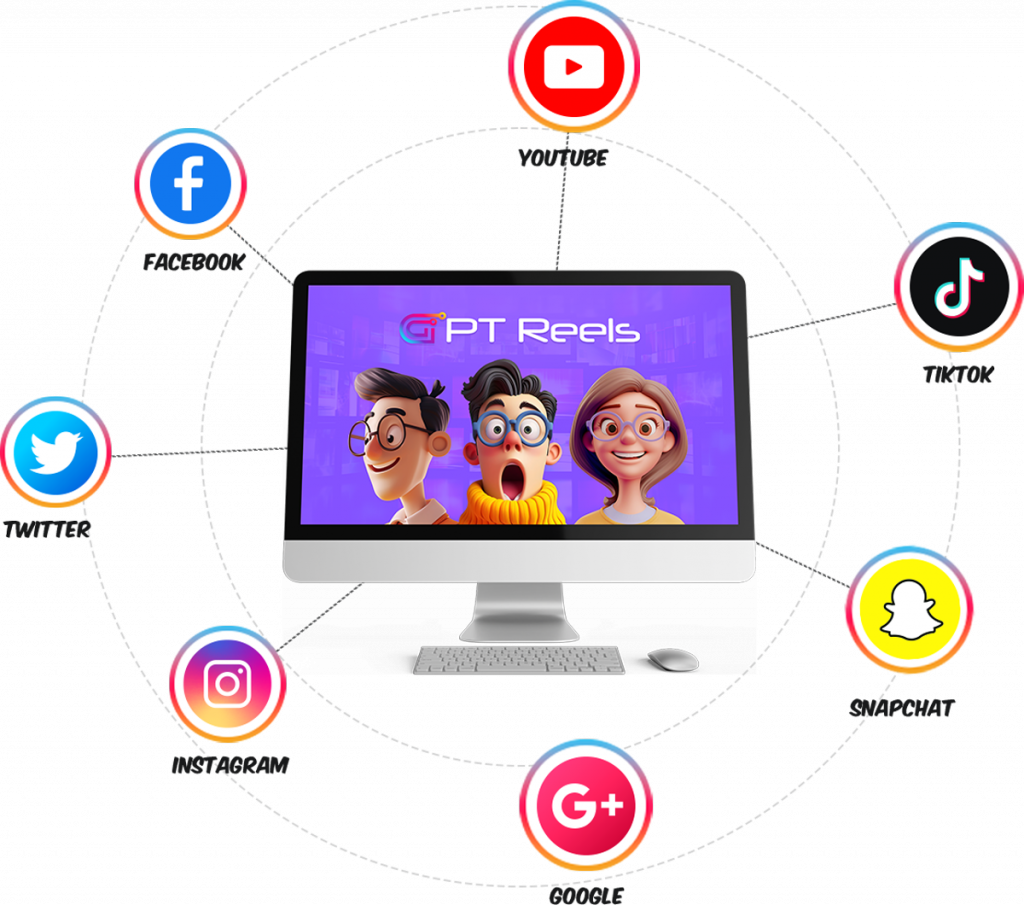
Create Pro Quality Video Reels In Seconds |Any Type Of Business | Any Language 

Powerful GPT-4 AI-enabled video creator produces professional-quality videos in seconds for any type of business and in any language. Our GPT-4-enabled AI engine writes scripts, creates scenes and designs, and generates voiceovers and music to produce professional-like videos in any style.

Easy Mode allows you to create a video with just a keyword and three clicks. Advanced Mode offers basic customization options. Hyper Mode provides more advanced options and complete control over all aspects of video creation.

Create Pro

Tips to boosting your music on Facebook and Instagram.

Alright, musicians! If you’re looking to gain more followers for your music on Facebook and Instagram, you’re in the right place. I’m going to share some top tips to grow your audience and get your music heard! 

Let’s dive right in. First up, optimize your profiles. Make sure your profile picture is clear and recognizable. Use a great shot of yourself or your band that represents your brand. Your bio should be concise but informative. Tell people who you are, what kind of music you make, and include a link to your latest release or website. Next, post consistently. You don’t need to post every single day, but try to stick to a regular schedule. Consistency helps keep your audience engaged and lets new followers know that you’re active. Now, let’s talk content. Mix it up! Share behind-the-scenes footage, snippets of new tracks, live performances, and even personal moments. Fans love to see the person behind the music. Use Instagram Stories and Facebook Stories to give quick updates and keep your audience hooked. Engage with your followers. Reply to comments, like posts, and show some love to your fans. It makes them feel valued and more likely to stick around. Plus, the more engagement your posts get, the more likely they are to be seen by new people. Collaborate with other musicians. Teaming up for a duet, remix, or even just a shout-out can introduce your music to a whole new audience. Network with other artists in your genre and see how you can help each other out. Don’t forget about hashtags. Use relevant hashtags to reach a broader audience. Look at what hashtags other musicians in your genre are using and find out which ones get the most engagement. But don’t overdo it – stick to a handful of well-chosen tags. Run contests and giveaways. Offer free merch, concert tickets, or exclusive content to your followers. It’s a fun way to create buzz and attract new fans. Just make sure to follow the platform’s guidelines for contests. Lastly, leverage Facebook and Instagram ads. You don’t need a big budget to get started. Target your ads to people who already like similar artists or genres. Even a small boost can help you reach new listeners. There you have it! Optimize your profiles, post consistently, engage with your followers, collaborate, use hashtags, run contests, and leverage ads. Start putting these tips into action today, and watch your follower count grow. Remember, building a loyal fanbase takes time, so stay patient and keep hustling. If you found these tips helpful, hit that like button and subscribe for more music marketing advice. Thanks for watching, and good luck with your musical journey!

Why Your Business Needs A 1 800 Toll Free Phone Number.

This is why you need a toll-free 1-800 number for your business! Ready to take your customer service to the next level?

Let’s dive in …. Imagine this …. A potential customer sees your ad and thinks, Wow, I need this! But when they call, they get hit with long-distance charges …. Not cool, right? That’s where a toll-free 1 800 number comes in. It’s professional, easy to remember, and makes your business accessible, no matter where your customers are …. And guess what? You can answer calls using your cell phone, tablet, computer, or desk phone. Flexibility at its best! Plus, you can send text messages from your business number! Stay connected, respond faster, and build better relationships with your customers …. So, what are you waiting for? Give your business the boost it deserves with a toll-free 1 800 number today! … Easy Business dot world – we’re here to help.

Why does every new business need a website?

, if you’re starting a new business, listen up! Today, I’m diving into why your new business absolutely needs a website. Let’s get straight to it. First off, having a website gives your business legitimacy. Think about it – when you hear about a new company, what’s the first thing you do? You Google it! If you don’t have a website, you’re missing out on a prime opportunity to make a stellar first impression. Next, a website is your 24/7 salesperson. It’s always on, always accessible. Your potential customers can learn about your services, browse your products, and even make purchases at any time. That’s money rolling in, even while you’re catching those Z’s. 

Visibility is another major plus. Most of the world’s population is online, searching for solutions to their problems. With a well-optimized website, you’re putting your business right in front of their eyes. This is not just about being seen, but being seen by the right people. Then there’s the trust factor. A professional-looking website builds trust. It shows that you’re serious about your business. Add some customer testimonials, share your story, and you’re golden. Don’t forget about the data. Websites come with analytics that give you insights into customer behavior. You can see what’s working, what’s not, and tweak your strategy accordingly. It’s like having a crystal ball for your business. Finally, let’s talk about scalability. Your website grows with your business. Want to add a blog? Easy. Launch a new product line? Done. Your website adapts as you evolve. So, if you haven’t already, get that website up and running. Your future self will thank you. Hit the subscribe button for more tips, and let’s crush it together! Catch you next time!

10 Tips To Help You Market Your New Business.

If you’re a small business owner looking to make a splash, you’re in the right place. Today, I’m sharing my top 10 marketing tips for new businesses. Ready? Let’s dive in!

Tip number one- Know your audience. Do your research. Understand who your customers are, what they like, and where they hang out online. This will help you tailor your marketing efforts to reach the right people. Number two- Build a strong brand. Your brand is more than just a logo. It’s your voice, your values, and your promise to your customers. Be consistent across all your marketing channels. Three- Leverage social media. Platforms like Instagram, Facebook, and LinkedIn are gold mines for new businesses. Post regularly, engage with your followers, and run targeted ads to boost your reach. Tip four- Create valuable content. Start a blog, make videos, or host webinars. Provide tips, share your expertise, and solve your audience’s problems. Content marketing is a powerful tool to attract and retain customers. Number five- Network, network, network. Attend industry events, join local business groups, and connect with influencers. Building relationships can open up new opportunities and partnerships. Six- Utilize email marketing. Collect emails from your customers and send them regular updates, promotions, and valuable content. A well-crafted email campaign can drive sales and keep your audience engaged. Tip seven- Offer promotions and discounts. Everybody loves a good deal. Use promotions to attract new customers and incentivize repeat purchases. Eight- Get listed on Google My Business. Make sure your business shows up in local search results. Encourage satisfied customers to leave positive reviews. Number nine- Collaborate with other businesses. Partnering with complementary businesses can help you reach a wider audience. Look for win-win opportunities. And finally, tip number ten- Track your results. Use analytics to see what’s working and what’s not. Adjust your strategies based on the data to ensure you’re getting the best return on investment. There you have it! Ten marketing tips to help your new business thrive. Remember, marketing is a marathon, not a sprint. Stay consistent, stay patient, and keep learning. Thanks for watching, and good luck with your business journey!

Staying Relevant in the Modern Age The Importance of Print and Digital Integration

– Finding the perfect balance In today’s fast-paced and ever-evolving digital world, it can be easy to focus solely on online presence and neglect traditional forms of media such as print However, in order to truly stay relevant in the modern age, businesses must find a balance between these two mediums Print vs digital – finding the perfect balance is crucial for maintaining a strong brand image and effectively reaching target audiences While digital platforms offer convenience and reach to a wider audience, print materials have their own set of advantages For one, print has been around for decades and holds a sense of credibility that cannot be replicated by online content In fact, studies have shown that people are more likely to trust information found in printed materials compared to what they see online This makes incorporating print into your marketing strategy essential for establishing trust with potential customers Digital integration in today’s world is inevitable but just because we live in an increasingly digital age doesn’t mean we should abandon all traditional methods of communication On the contrary, combining both print and digital efforts allows businesses to create a multi-dimensional approach that caters to different types of consumers By having an integrated strategy that includes both mediums, you are able to engage with audiences who prefer tangible materials as well as those who prefer instant access through their devices Furthermore, integrating print and digital means creating consistency across all channels which ultimately strengthens your brand identity By utilizing design elements like logos or color schemes consistently across both platforms, you create familiarity among consumers when interacting with your business whether it’s through physical ads or social media posts This builds trust within your customer base and reinforces your company’s messaging Reaching younger generations can also be easier through integrated strategies as they tend to use multiple channels when making purchasing decisions With Gen Z being raised in a world where technology is second nature while still appreciating personal touches such as handwritten notes or tangible products from trusted brands; incorporating both digitally-focused techniques and traditional print materials can be key to reaching this demographic In conclusion, it’s not about choosing one medium over the other, but rather finding a balance between print and digital Combining these two methods allows businesses to effectively reach different audiences while maintaining brand consistency and building trust with customers In today’s age of information overload, an integrated approach is necessary for staying relevant and standing out in a competitive market So whether you’re creating brochures or running targeted social media ads, make sure your strategy includes both print and digital integration for maximum impact

In conclusion, print and digital marketing strategies are not mutually exclusive Instead of choosing one over the other, they can be effectively combined to create a successful and comprehensive marketing plan By understanding the benefits and limitations of both print and digital platforms, businesses can tailor their approach to reach a wider audience and stay ahead in today’s fast-paced market Keeping up with the times means utilizing both traditional print methods and modern digital tactics in a cohesive manner to achieve maximum impact for your brand So don’t shy away from incorporating both into your marketing plans – embrace the power of print and digital together!

Bridging the Gap Strategies for Integrating Print and Digital

Why bridging the gap is important In today’s fast-paced digital world, it can be easy to overlook traditional print media in favor of digital marketing strategies However, ignoring print altogether could mean missing out on key opportunities for your business That’s why bridging the gap between print and digital is essential for a comprehensive marketing strategy Print and digital are often viewed as two separate entities, with their own strengths and weaknesses Some see print as outdated or less effective compared to the instant reach and targeting capabilities of digital advertising On the other hand, some may argue that in an increasingly virtual world, tangible printed materials can make a stronger impact on consumers But instead of pitting these two against each other, it’s important to understand how they can work together and complement each other’s strengths By bridging the gap between print and digital, you can create a more cohesive branding experience for your customers One major advantage of combining both mediums is that they allow you to reach different demographics effectively While younger generations tend to consume information primarily through online channels, there are still many potential customers who prefer traditional methods such as receiving mailers or reading newspapers By incorporating both into your strategy, you’ll have a better chance at reaching a wider audience Moreover, integrating print elements into your overall marketing plan adds credibility and legitimacy to your brand image A well-designed brochure or direct mail piece gives off a professional impression that simply isn’t replicated through solely relying on online ads or social media posts It also offers tangible proof of existence – something physical people can hold onto rather than scrolling past quickly without absorbing all its messages Another benefit of linking up with cross-channel campaigns is being able to track results more easily by using web analytics tools like Google Analytics alongside data from offline sources like QR codes or coupons included in printed materials This way you will not only be measuring success but also gaining insights about which medium works best for what purpose, and using that information to optimize future efforts In conclusion, bridging the gap between print and digital is vital in creating a well-rounded and effective marketing strategy By embracing both mediums and finding ways for them to coexist, you can reach a wider audience while also strengthening your brand identity Don’t let the “traditional vs modern” debate limit your potential – instead, use it to enhance your marketing efforts and drive better results for your business

Personalization The Key to Success in Print and Digital Marketing

marketing Finding the balance In today’s fast-paced digital era, marketers are constantly faced with the challenge of finding the right balance between print and digital marketing With both platforms offering unique advantages, it can be a daunting task to determine which one will bring in better results for your business As technology continues to advance at an ever-increasing rate, many businesses have shifted their focus solely towards digital marketing However, what some fail to realize is that incorporating print into their overall marketing strategy can lead to even greater success Print and digital marketing each have their own strengths and weaknesses While digital allows for more targeted and personalized campaigns, print offers a tangible touchpoint that cannot be replicated through a screen Personalization plays a crucial role in both forms of advertising, but understanding how to effectively utilize it is key One major benefit of personalization in print is its ability to create a lasting impression on consumers When receiving something physical like a postcard or brochure with their name on it, individuals are more likely to remember your brand compared to just seeing an ad online This also adds a personal touch that creates an emotional connection with customers, leading them to feel valued by your company On the other hand, personalization in digital marketing allows for precise targeting based on consumer behavior data By tracking metrics such as website visits and social media engagement patterns, you can tailor your content specifically towards individual interests and needs This not only increases the chances of conversion but also saves time and resources by eliminating unnecessary outreach to uninterested parties When used together strategically, print and digital marketing can complement each other perfectly – creating a powerful synergy effect that drives results For example, utilizing printed materials as part of an omnichannel campaign reinforces messaging across multiple touchpoints while providing tangible takeaways for potential customers Finding the right balance between these two forms of advertising requires thorough research about target audiences’ behaviors and preferences along with testing different strategies for effectiveness The key is to keep an open mind and be willing to adapt your approach as needed In conclusion, both print and digital marketing have their own unique strengths that should not be overlooked in today’s competitive landscape By understanding how to effectively utilize personalization on each platform, businesses can achieve maximum impact and success in their overall marketing efforts So instead of choosing one over the other, find a balance between these two forms of advertising for optimal results

Bridging the Gap Strategies for Integrating Print and Digital

Why bridging the gap is important In today’s fast-paced digital world, it can be easy to overlook traditional print media in favor of digital marketing strategies However, ignoring print altogether could mean missing out on key opportunities for your business That’s why bridging the gap between print and digital is essential for a comprehensive marketing strategy Print and digital are often viewed as two separate entities, with their own strengths and weaknesses Some see print as outdated or less effective compared to the instant reach and targeting capabilities of digital advertising On the other hand, some may argue that in an increasingly virtual world, tangible printed materials can make a stronger impact on consumers But instead of pitting these two against each other, it’s important to understand how they can work together and complement each other’s strengths By bridging the gap between print and digital, you can create a more cohesive branding experience for your customers One major advantage of combining both mediums is that they allow you to reach different demographics effectively While younger generations tend to consume information primarily through online channels, there are still many potential customers who prefer traditional methods such as receiving mailers or reading newspapers By incorporating both into your strategy, you’ll have a better chance at reaching a wider audience Moreover, integrating print elements into your overall marketing plan adds credibility and legitimacy to your brand image A well-designed brochure or direct mail piece gives off a professional impression that simply isn’t replicated through solely relying on online ads or social media posts It also offers tangible proof of existence – something physical people can hold onto rather than scrolling past quickly without absorbing all its messages Another benefit of linking up with cross-channel campaigns is being able to track results more easily by using web analytics tools like Google Analytics alongside data from offline sources like QR codes or coupons included in printed materials This way you will not only be measuring success but also gaining insights about which medium works best for what purpose, and using that information to optimize future efforts In conclusion, bridging the gap between print and digital is vital in creating a well-rounded and effective marketing strategy By embracing both mediums and finding ways for them to coexist, you can reach a wider audience while also strengthening your brand identity Don’t let the “traditional vs modern” debate limit your potential – instead, use it to enhance your marketing efforts and drive better results for your business

Staying Relevant in the Modern Age The Importance of Print and Digital Integration

– Finding the perfect balance In today’s fast-paced and ever-evolving digital world, it can be easy to focus solely on online presence and neglect traditional forms of media such as print However, in order to truly stay relevant in the modern age, businesses must find a balance between these two mediums Print vs digital – finding the perfect balance is crucial for maintaining a strong brand image and effectively reaching target audiences While digital platforms offer convenience and reach to a wider audience, print materials have their own set of advantages For one, print has been around for decades and holds a sense of credibility that cannot be replicated by online content In fact, studies have shown that people are more likely to trust information found in printed materials compared to what they see online This makes incorporating print into your marketing strategy essential for establishing trust with potential customers Digital integration in today’s world is inevitable but just because we live in an increasingly digital age doesn’t mean we should abandon all traditional methods of communication On the contrary, combining both print and digital efforts allows businesses to create a multi-dimensional approach that caters to different types of consumers By having an integrated strategy that includes both mediums, you are able to engage with audiences who prefer tangible materials as well as those who prefer instant access through their devices Furthermore, integrating print and digital means creating consistency across all channels which ultimately strengthens your brand identity By utilizing design elements like logos or color schemes consistently across both platforms, you create familiarity among consumers when interacting with your business whether it’s through physical ads or social media posts This builds trust within your customer base and reinforces your company’s messaging Reaching younger generations can also be easier through integrated strategies as they tend to use multiple channels when making purchasing decisions With Gen Z being raised in a world where technology is second nature while still appreciating personal touches such as handwritten notes or tangible products from trusted brands; incorporating both digitally-focused techniques and traditional print materials can be key to reaching this demographic In conclusion, it’s not about choosing one medium over the other, but rather finding a balance between print and digital Combining these two methods allows businesses to effectively reach different audiences while maintaining brand consistency and building trust with customers In today’s age of information overload, an integrated approach is necessary for staying relevant and standing out in a competitive market So whether you’re creating brochures or running targeted social media ads, make sure your strategy includes both print and digital integration for maximum impact

In conclusion, print and digital marketing strategies are not mutually exclusive Instead of choosing one over the other, they can be effectively combined to create a successful and comprehensive marketing plan By understanding the benefits and limitations of both print and digital platforms, businesses can tailor their approach to reach a wider audience and stay ahead in today’s fast-paced market Keeping up with the times means utilizing both traditional print methods and modern digital tactics in a cohesive manner to achieve maximum impact for your brand So don’t shy away from incorporating both into your marketing plans – embrace the power of print and digital together!

Keeping Up with the Times How to Combine Print and Digital in Your Marketing Plan

In today’s fast-paced and technology-driven world, it can be challenging to keep up with the constantly evolving marketing landscape. While print marketing may have been the go-to for years, the rise of digital marketing has revolutionized the industry. But how can you effectively combine the two in your marketing plan? In this blog post, we’ll dive into the benefits and strategies of integrating print and digital marketing, and how it can help your business stay relevant and thrive in the modern age. From personalized direct

Finding the Balance Combining Print and Digital in Your Marketing Plan

– the eternal debate Sub-header Print vs digital – the eternal debate In today’s highly competitive market, businesses are constantly looking for ways to stand out and reach their target audience With the rise of digital media, many have questioned the relevance of print marketing in today’s world While some may argue that print is a dying medium, others believe it still holds its ground and can complement a digital marketing strategy This has led to an ongoing debate between print versus digital advertising So which one should you choose? Let’s take a closer look at both sides of the argument On one hand, with advances in technology, there’s no denying that online marketing offers endless possibilities for reaching customers With just a click of a button, businesses can connect with their target audience instantly through various platforms such as social media, email campaigns and banner ads on websites Additionally, online marketing allows for more precise targeting options based on demographics and interests compared to traditional print methods However, while online marketing may seem like the obvious choice due to its convenience and reach potential,the truth is it also comes with its fair share of challengesForone,it is becoming increasingly difficult to cut through the noise in an oversaturated marketWith so much content being produced every day,it’s easyfor your message or adsto get lost in cyberspaceMoreover,digital ads are often viewed as intrusive by consumers whoget bombardedwith them regularly,resultingin reduced engagement ratesAdditionally,a lotof these advertisementscan be blockedby ad blockers,making it harderforbusinessestoreachpotentialcustomersOnthe otherhand, printmarketingoffersa more tangibleand tactile experiencePrinted materials like brochures,flyers,catalogues,and business cards allow for physical interaction with potential customersThiscan create amemorable experienceandmake it easierforpeopleto rememberyourbrandWhetherit’stheluxurious feelingof glossy paper orthe engaging designof a well-crafted mailer,printmaterialshavea wayof leaving an impressionon people’s mindsAndwith fewer businesses investing in print marketing,your brandhas the potentialto stand outamongstthe competition In addition to creating a memorable experience, print materials also have a longer lifespan compared to digital ads While digital ads may come and go quickly, printed materials can stay with the consumer for days or even months For example, a brochure can sit on someone’s desk for weeks reminding them of your business while an email ad is likely to get deleted within seconds Additionally, not everyone has access to reliable internet connection at all times, making it difficult for them to view online advertisements In this case, having physical materials like flyers or brochures allows you to reach those who may not be easily accessible through digital means So what’s the verdict? When it comes down to it, there isn’t really a right or wrong answer in the print versus digital debate Both have their strengths and limitations and ultimately,it depends on your target audience and marketing goalsWhen used strategically together, they can complement each other and help create a more comprehensive marketing plan that reaches both traditional and tech-savvy consumersHowever,it’s importantto carefully consideryour messageandchoose the platformthatwill best conveyitTo find successin today’s market,a balance must be struckbetween these two mediums- combiningthe convenienceofdigitalmarketingwiththe tangibilityofprintWith mindful planningand thoughtful execution,youcan findthatsweet spot of “Print vs Digital” where both coexist harmoniously in your overall marketing strategy

Personalization The Key to Success in Print and Digital Marketing

marketing Finding the balance In today’s fast-paced digital era, marketers are constantly faced with the challenge of finding the right balance between print and digital marketing With both platforms offering unique advantages, it can be a daunting task to determine which one will bring in better results for your business As technology continues to advance at an ever-increasing rate, many businesses have shifted their focus solely towards digital marketing However, what some fail to realize is that incorporating print into their overall marketing strategy can lead to even greater success Print and digital marketing each have their own strengths and weaknesses While digital allows for more targeted and personalized campaigns, print offers a tangible touchpoint that cannot be replicated through a screen Personalization plays a crucial role in both forms of advertising, but understanding how to effectively utilize it is key One major benefit of personalization in print is its ability to create a lasting impression on consumers When receiving something physical like a postcard or brochure with their name on it, individuals are more likely to remember your brand compared to just seeing an ad online This also adds a personal touch that creates an emotional connection with customers, leading them to feel valued by your company On the other hand, personalization in digital marketing allows for precise targeting based on consumer behavior data By tracking metrics such as website visits and social media engagement patterns, you can tailor your content specifically towards individual interests and needs This not only increases the chances of conversion but also saves time and resources by eliminating unnecessary outreach to uninterested parties When used together strategically, print and digital marketing can complement each other perfectly – creating a powerful synergy effect that drives results For example, utilizing printed materials as part of an omnichannel campaign reinforces messaging across multiple touchpoints while providing tangible takeaways for potential customers Finding the right balance between these two forms of advertising requires thorough research about target audiences’ behaviors and preferences along with testing different strategies for effectiveness The key is to keep an open mind and be willing to adapt your approach as needed In conclusion, both print and digital marketing have their own unique strengths that should not be overlooked in today’s competitive landscape By understanding how to effectively utilize personalization on each platform, businesses can achieve maximum impact and success in their overall marketing efforts So instead of choosing one over the other, find a balance between these two forms of advertising for optimal results

Bridging the Gap Strategies for Integrating Print and Digital

Why bridging the gap is important In today’s fast-paced digital world, it can be easy to overlook traditional print media in favor of digital marketing strategies However, ignoring print altogether could mean missing out on key opportunities for your business That’s why bridging the gap between print and digital is essential for a comprehensive marketing strategy Print and digital are often viewed as two separate entities, with their own strengths and weaknesses Some see print as outdated or less effective compared to the instant reach and targeting capabilities of digital advertising On the other hand, some may argue that in an increasingly virtual world, tangible printed materials can make a stronger impact on consumers But instead of pitting these two against each other, it’s important to understand how they can work together and complement each other’s strengths By bridging the gap between print and digital, you can create a more cohesive branding experience for your customers One major advantage of combining both mediums is that they allow you to reach different demographics effectively While younger generations tend to consume information primarily through online channels, there are still many potential customers who prefer traditional methods such as receiving mailers or reading newspapers By incorporating both into your strategy, you’ll have a better chance at reaching a wider audience Moreover, integrating print elements into your overall marketing plan adds credibility and legitimacy to your brand image A well-designed brochure or direct mail piece gives off a professional impression that simply isn’t replicated through solely relying on online ads or social media posts It also offers tangible proof of existence – something physical people can hold onto rather than scrolling past quickly without absorbing all its messages Another benefit of linking up with cross-channel campaigns is being able to track results more easily by using web analytics tools like Google Analytics alongside data from offline sources like QR codes or coupons included in printed materials This way you will not only be measuring success but also gaining insights about which medium works best for what purpose, and using that information to optimize future efforts In conclusion, bridging the gap between print and digital is vital in creating a well-rounded and effective marketing strategy By embracing both mediums and finding ways for them to coexist, you can reach a wider audience while also strengthening your brand identity Don’t let the “traditional vs modern” debate limit your potential – instead, use it to enhance your marketing efforts and drive better results for your business

Staying Relevant in the Modern Age The Importance of Print and Digital Integration

– Finding the perfect balance In today’s fast-paced and ever-evolving digital world, it can be easy to focus solely on online presence and neglect traditional forms of media such as print However, in order to truly stay relevant in the modern age, businesses must find a balance between these two mediums Print vs digital – finding the perfect balance is crucial for maintaining a strong brand image and effectively reaching target audiences While digital platforms offer convenience and reach to a wider audience, print materials have their own set of advantages For one, print has been around for decades and holds a sense of credibility that cannot be replicated by online content In fact, studies have shown that people are more likely to trust information found in printed materials compared to what they see online This makes incorporating print into your marketing strategy essential for establishing trust with potential customers Digital integration in today’s world is inevitable but just because we live in an increasingly digital age doesn’t mean we should abandon all traditional methods of communication On the contrary, combining both print and digital efforts allows businesses to create a multi-dimensional approach that caters to different types of consumers By having an integrated strategy that includes both mediums, you are able to engage with audiences who prefer tangible materials as well as those who prefer instant access through their devices Furthermore, integrating print and digital means creating consistency across all channels which ultimately strengthens your brand identity By utilizing design elements like logos or color schemes consistently across both platforms, you create familiarity among consumers when interacting with your business whether it’s through physical ads or social media posts This builds trust within your customer base and reinforces your company’s messaging Reaching younger generations can also be easier through integrated strategies as they tend to use multiple channels when making purchasing decisions With Gen Z being raised in a world where technology is second nature while still appreciating personal touches such as handwritten notes or tangible products from trusted brands; incorporating both digitally-focused techniques and traditional print materials can be key to reaching this demographic In conclusion, it’s not about choosing one medium over the other, but rather finding a balance between print and digital Combining these two methods allows businesses to effectively reach different audiences while maintaining brand consistency and building trust with customers In today’s age of information overload, an integrated approach is necessary for staying relevant and standing out in a competitive market So whether you’re creating brochures or running targeted social media ads, make sure your strategy includes both print and digital integration for maximum impact

In conclusion, print and digital marketing strategies are not mutually exclusive Instead of choosing one over the other, they can be effectively combined to create a successful and comprehensive marketing plan By understanding the benefits and limitations of both print and digital platforms, businesses can tailor their approach to reach a wider audience and stay ahead in today’s fast-paced market Keeping up with the times means utilizing both traditional print methods and modern digital tactics in a cohesive manner to achieve maximum impact for your brand So don’t shy away from incorporating both into your marketing plans – embrace the power of print and digital together!